BEST EXERCISE TO LOSE WEIGHT
Introduction
Weight loss? Universal problem, right? There are lots of questions, like what to do or how to start, and most importantly, which exercise to do. Many people search for the Best Exercise to Lose Weight because finding the right workout can make a huge difference in results. Weight loss is a combination of good eating habits and a regular exercise routine. Losing weight can be a difficult and confusing journey, and here, the role of exercise in daily life can be a powerful tool if used correctly in combination with diet and healthy habits.
This guide will break down the best exercises that will help you on your weight loss journey, and help you find a plan that works for you, no matter what your fitness levels are.
Why Exercise Matters for Weight Loss?
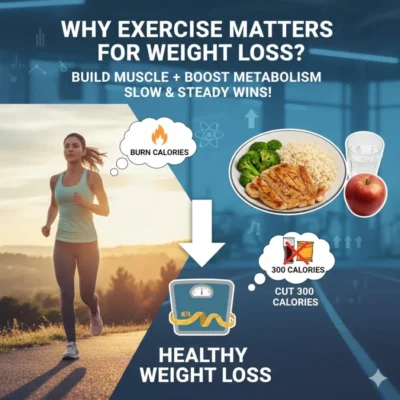
Weight loss occurs when you burn more calories than you consume, and it can also be achieved by eating fewer calories, but this will lead to weak muscles and body. How to achieve weight loss, then? The simple formula is to do regular exercise and burn more calories in a healthy way. Exercise is the best way to increase the calories burned, and finding the Best Exercise to Lose Weight can help you achieve faster and healthier results. Both exercise and diet are important for weight loss. Losing weight with diet alone, without physical activity, can make people weaker; it also depends on the age factor, bone density, and muscle mass of the person.
Slow and steady weight loss should be the aim. Health professionals advise a daily calorie deficit of 500 to 750 as the safest and most sustainable rate of weight loss. A weekly weight loss of roughly 0.5 to 0.7 kg is the outcome. This is easily accomplished by combining diet and exercise, cutting 300 calories by avoiding high-calorie snacks like chips and sugary drinks. You can easily attain the desired results by combining diet and exercise with 40–50 minutes of light walking or jogging to burn 200–450 calories.
Weight loss through exercise helps in building toned muscles and increases metabolism. The metabolic boost helps you burn more calories even when you are resting. Sounds great, right? It can only happen when you exercise regularly. To see effective results, choosing the Best Exercise to Lose Weight is essential. These are the guidelines from the U.S. Department of Health and Human Services:
● Aerobic activity. Get at least 150 twinkles of moderate aerobic exertion a week. Or get 75 twinkles of vigorous aerobic exertion a week. You can also get an equal blend of the two types.
Aim to exercise most days of the week. For further health benefits, strive for 300 minutes a week or more of moderate aerobic activity or 150 minutes of vigorous activity. Exercising this much may help with weight loss or keeping off lost weight. But even small amounts of physical activity can be helpful. Being active for short periods of time during the day can add up and give you great health benefits. To achieve lasting results, try to include the Best Exercise to Lose Weight in your weekly routine for maximum effectiveness.
1. Calorie Expenditure Comparison Table
Including a table like the one below allows users to quickly compare the efficiency of different activities.
Estimated Calories Burned in 30 Minutes (155-lb Person):
| Exercise Type | Intensity | Est. Calories Burned |
| Running | 6 mph (10 min/mile) | 370 |
| Bicycling | 12-14 mph (Moderate) | 295 |
| Swimming | Laps (Vigorous) | 370 |
| HIIT | High Intensity | 400 – 450+ |
| Weight Lifting | Vigorous / Circuit | 220 |
| Walking | 3.5 mph (Brisk) | 150 |
| Jump Rope | Fast / Continuous | 440 |
Note: Actual calories burned depend on age, gender, muscle mass, and metabolic rate.
2. Calculating the “Fat-Burning Zone”
While any exercise burns calories, “maximum fat oxidation” typically occurs at a specific intensity often called the Fat-Burning Zone. This is generally 60% to 70% of your maximum heart rate.
How to Calculate Your Target Heart Rate:
- Find your Maximum Heart Rate (MHR): The standard formula is $220 – \text{age}$.
- Example (40 years old): $220 – 40 = 180\text{ bpm}$.
- Calculate the Fat-Burning Zone: Multiply your MHR by 0.60 and 0.70.
- Low End: $180 \times 0.60 = 108\text{ bpm}$.
- High End: $180 \times 0.70 = 126\text{ bpm}$.
Why this matters for your article: Explaining that lower-intensity exercise (like brisk walking) uses a higher percentage of fat for fuel, while high-intensity exercise (like HIIT) burns more total calories, helps readers choose the right workout for their fitness level and goals.
Suggested Update: The “Afterburn Effect”
Top-ranking pages often mention EPOC (Excess Post-exercise Oxygen Consumption).
- The Concept: After intense exercise (like HIIT or heavy lifting), your body continues to burn calories at an elevated rate for several hours as it recovers.
- Action: Add a small “Pro Tip” box explaining that while weight lifting burns fewer calories during the session than running, the metabolic spike afterward makes it a powerhouse for weight loss.
The Foundational Rule: Why a Calorie Deficit Trumps All.
The fundamental idea behind weight loss is that you lose fat when you consume fewer calories than your body expels by doing best exercise to lose weight. This is referred to as a calorie deficit, and it takes precedence over any other fitness or diet trends. No matter what kind of food you eat or how you exercise, you gain weight if your total energy intake is higher than your expenditure; if it is lower, you lose weight. The basic principle of energy balance is not replaced by variables like metabolism, hormones, and food quality, which affect how effectively your body uses energy. The most effective strategy for long-term fat loss is to create a sustainable calorie deficit through regular exercise and mindful eating.
Enhance Strength Section:
Gaining strength is crucial for longevity, performance, and general health. Strength training enhances bone density, joint stability, and metabolic efficiency in addition to increasing muscle mass. All major muscle groups, such as the legs, chest, back, core, and arms, can be targeted by incorporating two to three sessions of resistance training per week using free weights, machines, or bodyweight exercises. Increasing resistance, volume, or intensity gradually over time promotes ongoing progress and avoids plateaus. Beyond its physical advantages, strength training lowers the risk of injury and age-related muscle loss while improving posture, balance, and confidence. Achieving long-lasting strength gains and general vitality requires consistency, good form, and recuperation.
Body Mass Index
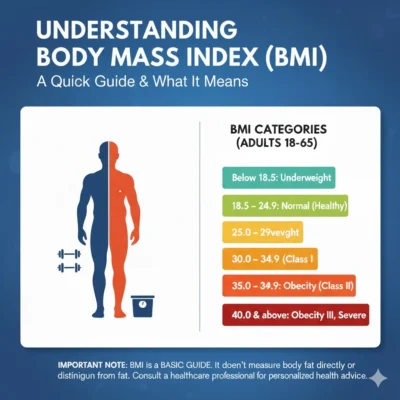
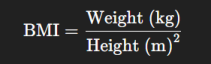
Body Mass Index (BMI) is a very common tool that is used to determine if weight is in a normal range for a given height. To calculate it, you can use the weight in kilograms and divide it by the height in meters squared. Although BMI does not measure body fat directly, it gives us a quick and easy way to estimate and detect health issues related to being overweight, underweight, and obese. Along with understanding your BMI, incorporating the Best Exercise to Lose Weight can help you maintain a healthy weight and improve overall fitness.
BMI’s main advantage is that it is fast, inexpensive, and easy to use for both individuals and large population studies. BMI doesn’t distinguish between fat and muscle, nor does it reflect where fat is stored in the body.
An athlete having high muscle mass can be classified as overweight, even if they are very fit. On the other hand, someone with little muscle but excess body fat could fall into the normal range. This is why, along with monitoring weight, following the Best Exercise to Lose Weight can help improve body composition, increase muscle tone, and reduce excess fat effectively.
For this reason, BMI should be seen as a basic guide, not a perfect measure of health.
BMI Categories (Adults, 18–65 years)
BMI (kg/m²) Weight Status
Below 18.5 Underweight
18.5 – 24.9 Normal (Healthy)
25.0 – 29.9 Overweight
30.0 – 34.9 Obesity (Class I)
35.0 – 39.9 Obesity (Class II)
40.0 and above
How to Calculate BMI
Obesity (Class III, Severe)
Best Exercises For Fat Loss

● Walking
Walking is the most convenient way for beginners to burn calories and increase body metabolism without doing exercises that require varied equipment. Just 30 minutes of brisk walking can help burn around 150 calories. Starting with shorter walk distances and gradually moving to brisk walking or inclined walking will help in reducing belly fat and improving overall health. For those looking for effective results, walking can be considered one of the Best Exercise to Lose Weight options, especially for beginners.
● Cycling
As a low-impact exercise, cycling enables the body to burn fat reserves for energy. It promotes increased metabolism, enhanced stamina, leg muscle growth, and high calorie burn. Although it used to be an outdoor activity, stationary bikes can now be used indoors as well.
● Jogging or Running
Jogging and running seem almost similar, but the main differentiator between the two is the pace at which they are done, jogging pace lies between 6.5-10 km/hr, while running pace is more than 10 km/hr. Both help in the reduction of belly fat, improve cardiovascular health, and additionally help in controlling the appetite. Incorporating jogging or running into your routine can be one of the best exercise to lose weight choices for improving fitness and burning calories efficiently.
● Interval Training
High-intensity interval training, another name for interval training, alternates high-intensity exercises with low-intensity recovery exercises. Compared to cardio, it aids in a higher calorie reduction. After such a strenuous exercise, the body can burn fat for up to 24 hours. It is the best method for losing weight.
● Yoga
Yoga is not only beneficial for physical health but also for the mental well-being of a human being. It helps in muscle building, lowers stress levels, and improves blood circulation in the body. Yoga also encourages mindful eating, leading to healthier eating habits. Practicing yoga regularly can be considered one of the best exercise to lose weight options, as it supports both physical fitness and mental balance.
● Strength Training
Strength Training relates to exercises that help build strength and muscles. It helps in building metabolism by retaining muscle during fat loss. A day’s rest must be taken after 2-3 days of regular strength training.
● Cardio
Cardio exercises are those exercises that lead to an intentionally increased heart rate for an extended period of time. It helps in burning calories quickly, but the amount of calories burned depends on the duration, body weight, and intensity. Including regular cardio sessions can be one of the best exercise to lose weight strategies, as it effectively boosts calorie burn and improves overall cardiovascular health.
Before starting the workout routines, it is recommended to consult a Doctor for advice.
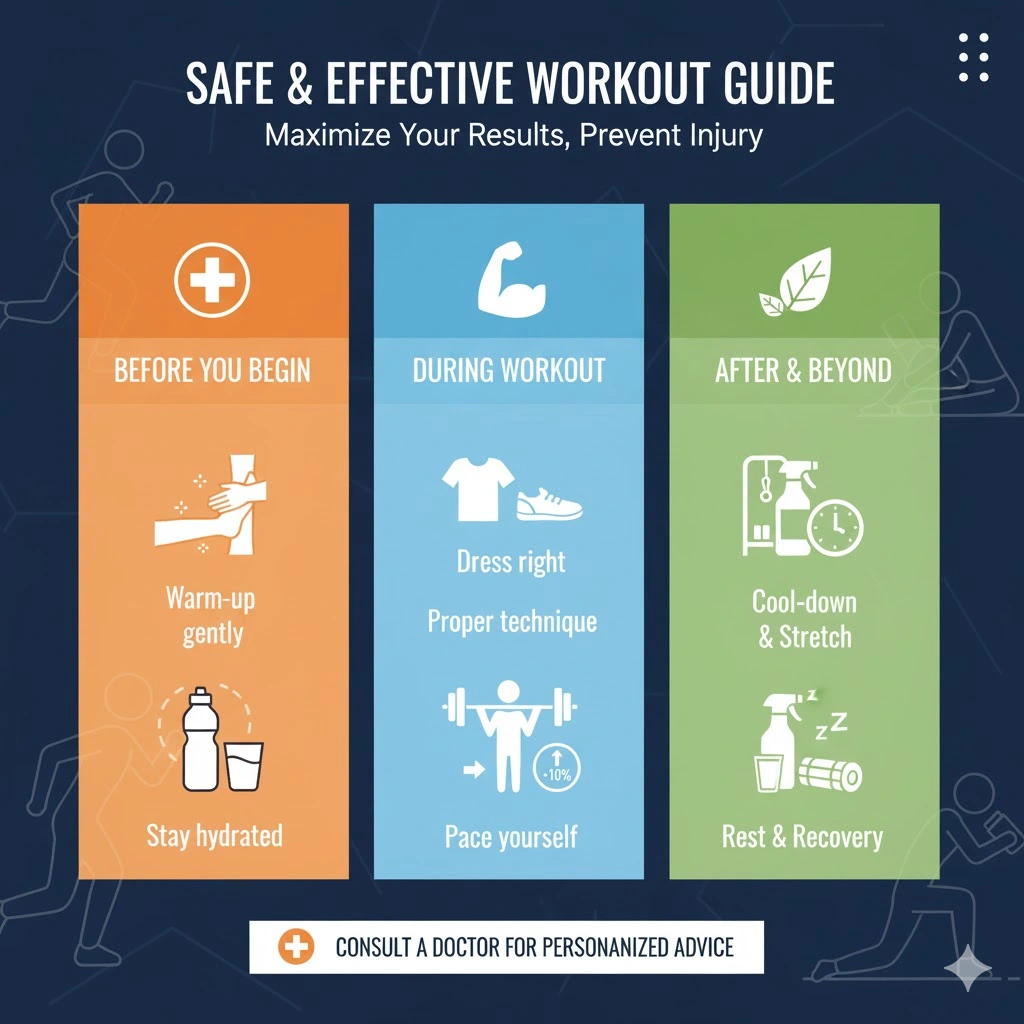
Safe & Effective Workout Guide
Before you Begin
- Check with a pro: If you are just starting out with exercise or have a medical condition, check in with your health care provider first. Warm up (5- 10 min): Easy aerobic activity like jogging, cycling, or walking, which will get the blood flowing, raise muscle temperature, and breathing.
- Stretch gently: After your warm-up, do controlled stretches that will help to relax your muscles and joints. Also, do not stretch cold muscles.
If you are in pain, dizziness, or shortness of breath, do not continue. Do not try it when you are tired. Stay cool and hydrated: before, during, and after physical activity, have plenty of water. Following proper precautions is essential when performing the best exercise to lose weight, ensuring you stay safe while achieving effective results.
During Workout
- Dress right: Wear supportive shoes and loose clothing. In hot weather, wear light-colored clothes and stay in the shade; in cold weather, dress in layers. As to technique, doing it right in proper form prevents injury and brings out the best in what you do. Choose weights that challenge you but that you can still work with to maintain that proper form. Paying attention to proper gear and technique is especially important when performing the best exercise to lose weight, ensuring safety and effectiveness.
- Breathe correctly: Don’t count on it. Exhale on effort (lift/push) and inhale on return (lower). For chest work (like rows), inhaling on the lift may be the way to go.
- Pace yourself: Gradual increase is key: As you progress in your routine, do so by no more than 10% at a time to avoid injury.
After Your Workout
- Cool down (5-10 minutes). At this stage, bring your heart rate and breathing back to normal.
- Stretch: Each stretch should go for 20-30 seconds. Stretch out slowly, do not bounce, and as you warm up, ease into deeper stretches.
Equipment sanitization is key to mitigating the germs and bacteria present in shared spaces.
For Recovery and Long-term progress
Rest and sleep are key; muscles require this time to repair and grow. Not getting enough of it will affect your performance and recovery. As for hydration, drink at least 2 glasses of water before and after your workout to make up for what you lose in sweat. Also, use massage or foam rolling, which in turn will help with stiffness, improve blood flow, and break down scar tissue. Proper rest and recovery are essential components when performing the best exercise to lose weight, ensuring your body stays healthy and effective results are achieved.
- Recognize your progress: You should notice significant improvements within a few weeks.
- Appreciate results: you can start seeing strong results within a few weeks. These include improved balance and overall good health, and most importantly, consistency can show increased strength.
How to choose a diet plan for yourself?
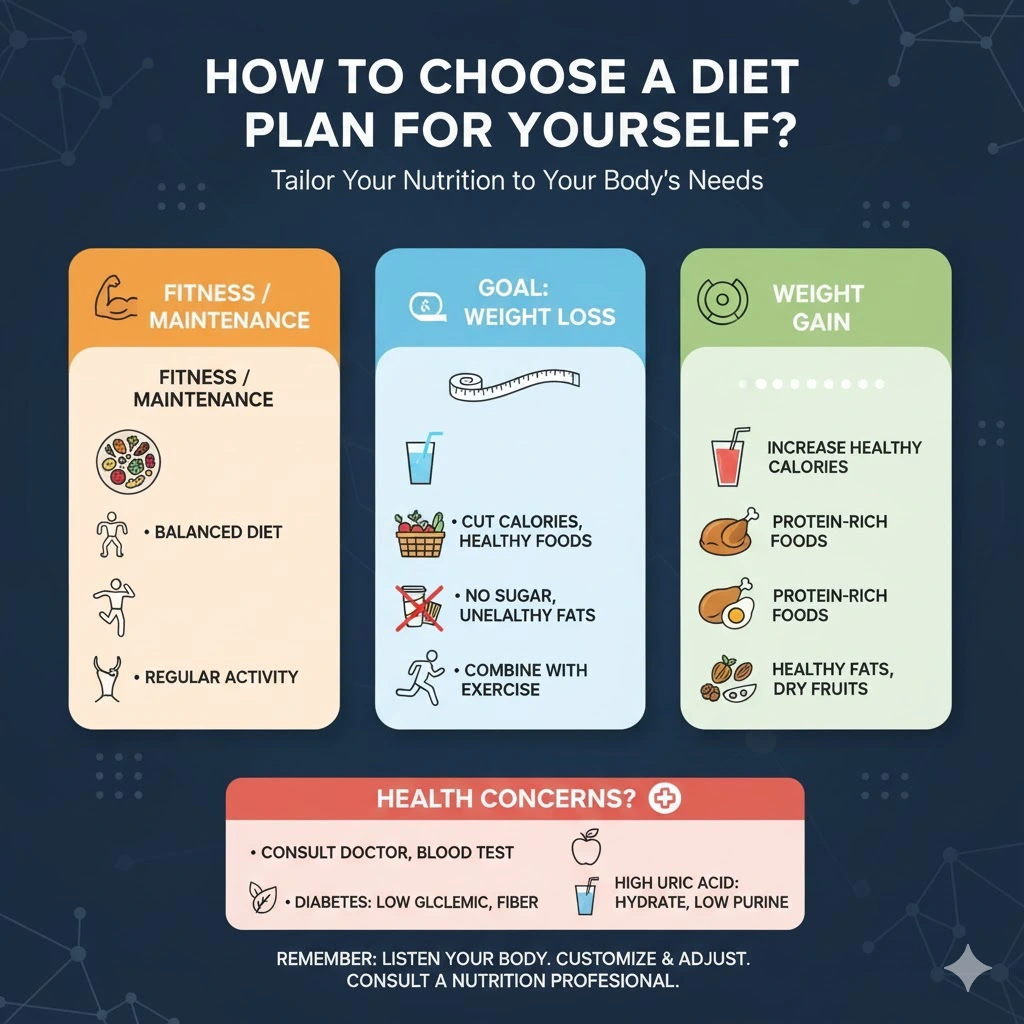
First of all, the best way to choose a diet plan for yourself is not a piece of cake; it requires time, effort, and consistency. You have to check and learn what suits you and what does not from your diet, and keep customizing it according to your body’s needs. You have to avoid the foods that cause inflammation or discomfort in your body, keeping in mind that all the nutrients and minerals are being fulfilled by an alternative. Pairing a personalized diet plan with the best exercise to lose weight can maximize results and help you achieve a healthier, more balanced body.
For example:
If you want to be fit, and your goal is nothing but to be fit
● You should follow a balanced diet which consists of carbohydrates + minerals + nutrients + proteins + fats, etc.
If you want to lose weight
● You should cut your diet and keep following a balanced diet with daily exercise.
● For example: cut unnecessary fats + drink more water + cut sugar + increase fruits and vegetables, etc.
If you want to gain weight
● You should increase your calorie intake in a healthy way and not by eating junk food.
● Increase healthy fats + add smoothies, which help to bulk + nuts + protein-rich foods + dry fruits + full-fat dairy, etc.
If you feel any health concerns
● You should conduct a blood test on yourself or a full-body checkup. ● Manipulate your diet plan according to your health concerns.
For example:
● If you have diabetes, you should eat low glycemic foods + increase nutrient-dense foods + eat fiber-rich non-starch veggies + take lean protein, etc. (And of course, cut the refined sugar and alternate it with fruits or natural sugar that is allowed to you.)
● If you have high uric acid, in most cases, there is nothing to worry about; just make your lifestyle and eating habits better.
● Don’t eat purine-rich foods, cut the purine from your diet + eat less chicken + cut egg yolks + drink more and more water, at least 3 liters, etc.
How to Choose the Right Exercise
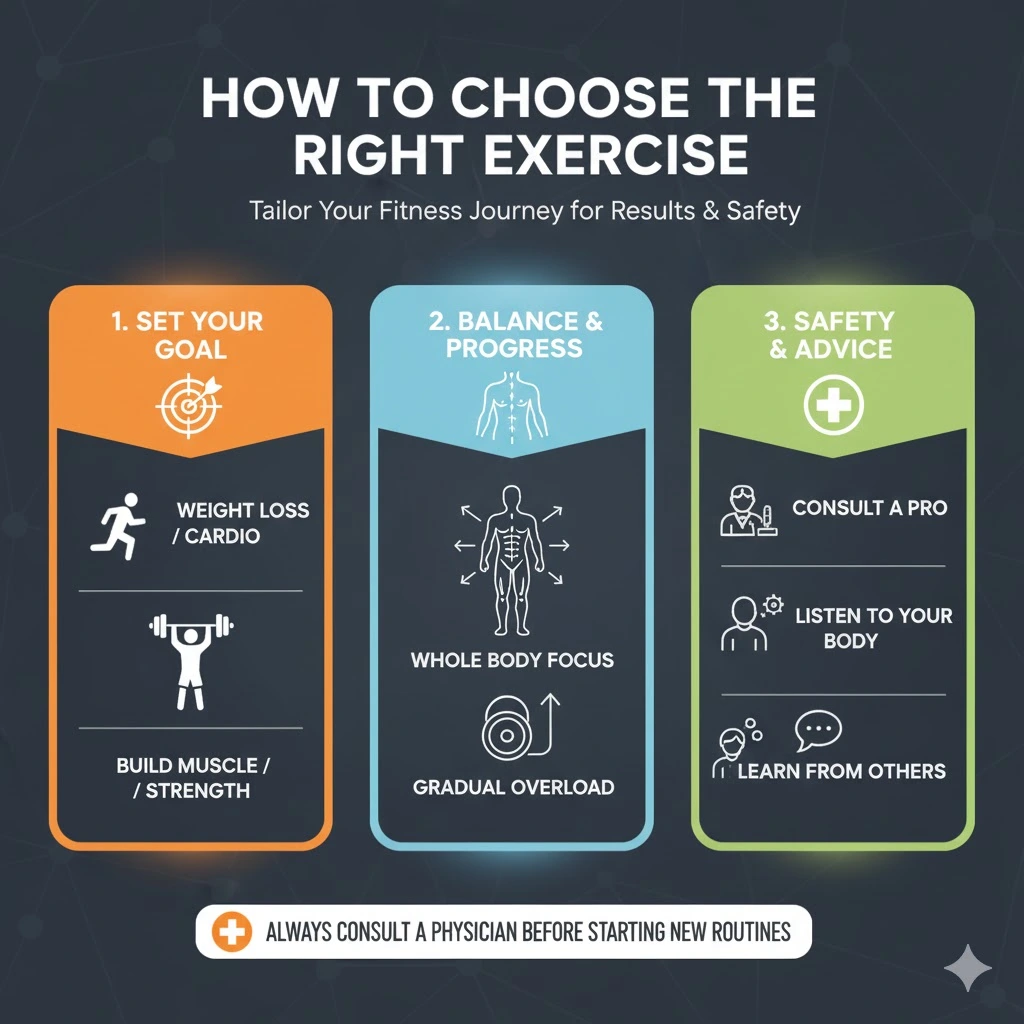
The first step is to choose which muscle group to target. For instance, you will naturally believe that you should concentrate on your upper body first if you already have reasonably strong legs. However, that isn’t totally accurate. Since the lower body is the foundation of our daily existence, we should always prioritize the upper body. To maintain the physical functions of the entire body without favoring one group and ignoring others, we should have an equal or nearly equal distribution of best exercise to lose weight. All muscle groups are worked and overall fitness is increased when a balanced routine is planned with the best weight-loss exercise in mind.
Then we should select the appropriate weight that our muscles can handle without causing any injury. Under supervision, if needed, we should not push our muscles too hard at the beginning of our journey.
We ought to have an objective in mind as well. For instance, someone must concentrate on cardio exercises with a small amount of weight training to keep their body active if their objective is to lose weight before beginning to build muscle. Walking, running, cycling, and other activities that work best for you are examples of cardio exercises. When looking for the best exercise to lose weight, it’s crucial to choose the right combination of exercises because it maximizes calorie burn while preserving general fitness.
If you’re already an intermediate to advanced-level person, you should prioritize progressive overloading in your exercises. For example, heavier weights, harder cardio, or intense workout sessions to further increase your growth.
Before starting major changes in our routine for exercises, we should always check with a physician to make sure that we are fit for our new routine and can avoid something that might cause an injury. So getting a health and body checkup should be done to make sure our health remains good and the exercise only does us good, not harm. Consulting a professional before beginning the best exercise to lose weight ensures safety and helps you follow a plan that is effective and suitable for your body.
Asking others around you for help can bring good results. Asking about their routines and dos and don’ts can help us build our own routines and a set of rules to avoid injuries.
Weight Loss Myths Debunked.
There is a lot of false information in the fitness industry that can impede advancement. One common misconception is that carbohydrates make you gain weight. In actuality, fat storage is caused by excess calories rather than carbohydrates. Another widespread misperception is that eating late at night inevitably causes weight gain; in reality, total calorie intake rather than meal timing is more important. A calorie deficit cannot be replaced by a single food or beverage, despite the widespread belief that certain “fat-burning” foods or detoxes melt fat. Last but not least, fat loss happens all over the body; spot reduction losing fat from particular areas through focused exercise is not feasible. Balanced eating, regular exercise, and patience rather than quick fixes are the keys to long-lasting results.
“You cannot spot reduce fat” refers to the inability to burn fat from a particular body part, such as the thighs or belly, by focusing solely on that area. Genetics, metabolism, and overall calorie deficit all play a role in fat loss. Fitness experts advise engaging in 150–300 minutes per week of moderate-intensity cardio, such as swimming, cycling, or brisk walking, to effectively reduce body fat. Cardio enhances heart health and increases calorie burn. Strength training should be done at least two or three days a week in addition to this. Building muscle through weightlifting or bodyweight exercises increases metabolism and burns more calories even when at rest, resulting in long-term fat loss.
Cardio VS Strength Training
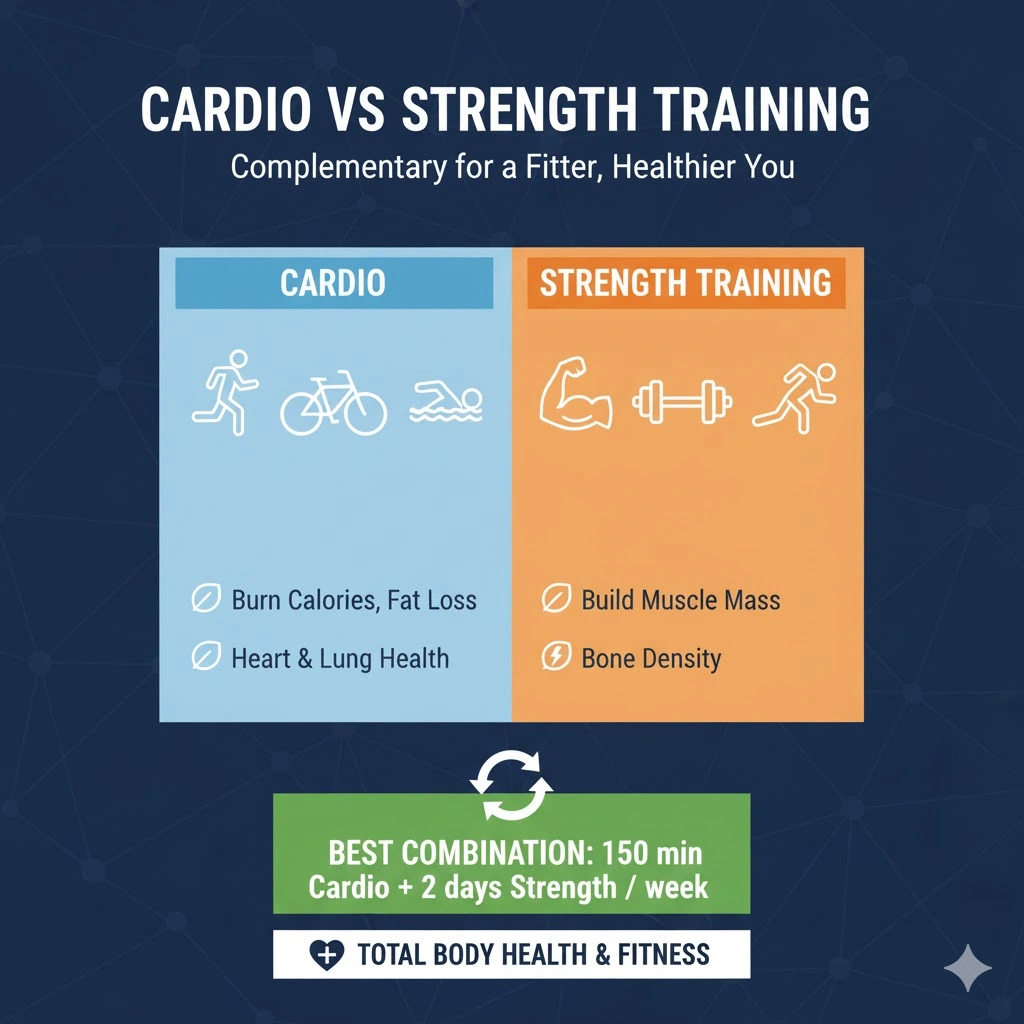
Cardio refers to aerobic exercises that involve activities like walking, running, cycling, swimming, etc. It helps in burning calories, thereby improving heart and lung health. It is best for cardiovascular health and immediate fat burning. Including regular cardio sessions can be an effective part of the best exercise to lose weight routine, helping you burn calories efficiently while improving overall fitness.
Strength training refers to anaerobic/resistance training that involves exercises like weight lifting, pushups, deadlifts, etc. It helps in burning calories while increasing muscle mass and preventing bone loss. It improves the overall functioning of the body. Cardio and strength training aren’t supplementary to each other but complementary to one another. According to experts, the best combination requires at least 150 minutes of cardio and 2 days of strength training per week to maintain fitness and health. Incorporating both into your routine is considered one of the best exercise to lose weight strategies, as it maximizes calorie burn while building strength and endurance.
Beyond the Workout: Diet, Sleep, and Mindset.
Because protein promotes muscle repair, increases metabolism, and prolongs feelings of fullness, a high-protein diet is crucial for both fat loss and muscle maintenance. Eggs, paneer, chicken, lentils, and Greek yogurt are examples of foods high in protein that help improve body composition and prevent overeating. Sleep is equally important. Getting seven to nine hours of good sleep each night controls hormones like cortisol, ghrelin, and leptin, which regulate hunger, stress, and fat storage. Sleep deprivation raises cravings and slows metabolism. Managing stress is also essential because long-term stress raises cortisol levels, which cause emotional eating and belly fat gain. Hormonal balance is maintained and healthy fat loss is supported by engaging in hobbies, yoga, meditation, or deep breathing.
Exercise is Only Half the Battle: The Role of Nutrition
You cannot out-train a poor diet. While exercise burns calories, nutrition dictates your metabolic health and the ease with which your body accesses stored fat.
- The Caloric Deficit: To lose weight, you must consume fewer calories than you expend. However, the quality of those calories matters.
- Protein’s Thermal Effect: Protein has a high Thermic Effect of Food (TEF).1 Your body uses more energy to digest protein than it does for fats or carbohydrates. Additionally, high protein intake preserves lean muscle mass during weight loss, keeping your metabolism high.2
- The Insulin Connection: Consuming high amounts of refined sugars causes spikes in Insulin, a storage hormone. When insulin levels are chronically high, the body’s ability to mobilize and burn fat (lipolysis) is significantly inhibited.3
The Invisible Factors: Sleep and Hormonal Balance
Weight loss is not just a math equation ($Calories In < Calories Out$); it is a hormonal symphony. When you neglect sleep and recovery, you disrupt the very chemicals that control your appetite and energy.4
The Hunger Hormones: Leptin & Ghrelin
Lack of sleep (fewer than 7 hours) creates a “hormonal double-whammy”:
- Ghrelin Increases: This is your “hunger hormone.”5 High levels tell your brain you are starving, leading to intense cravings for high-calorie, sugary foods.
- Leptin Decreases: This is your “satiety hormone.”6 When it drops, your brain doesn’t receive the signal that you are full, leading to overeating even after a substantial meal.
Cortisol and “Stress Fat”
Chronic stress and lack of sleep elevate Cortisol.7 High cortisol levels are linked to:
- Increased abdominal (visceral) fat storage.8
- Muscle breakdown (catabolism), which lowers your metabolic rate.
- Reduced insulin sensitivity, making it harder for your body to process carbohydrates.9
Key Takeaway
Consistency isn’t just about the days you hit the gym; it’s about the nights you prioritize 8 hours of sleep and the choices you make in the kitchen. If you are exercising but not losing weight, your Cortisol or Insulin levels may be the missing piece of the puzzle.
Suggested Update: The “Lifestyle Audit” Checklist
Add a small interactive checklist to the end of this section to engage the user:
- [ ] Am I eating at least 0.7g of protein per pound of body weight?
- [ ] Am I sleeping 7–9 hours most nights?
- [ ] Am I managing stress through walking, meditation, or hobbies?
- [ ] Am I drinking enough water to support metabolic processes?
How Much Exercise Do You Need?
To improve heart health, endurance, and calorie balance, health experts say you should do moderate-intensity cardiovascular exercise for 150 to 300 minutes each week. This could include brisk walking, cycling, or swimming. You can break this up into five 30–60 minute sessions each week. Also, it is recommended that you do strength training for 2 to 3 days a week to build muscle, strengthen bones, and speed up your metabolism. Strength training should work out all of the major muscle groups, such as the legs, core, back, chest, and arms. You should take breaks between workouts to let your body recover. Regular cardio and resistance training together help keep you fit, control your weight, lower your risk of chronic diseases, and improve your physical and mental health for the long term.
Sample Weekly Schedule
1. Sample 7-Day Weight Loss Schedule
This “Hybrid Model” combines strength training (to boost metabolism) with cardio (for immediate calorie burn).
| Day | Workout Type | Focus / Example Activity |
| Mon | Strength Training | Full Body: Squats, Push-ups, Rows (3 sets of 12) |
| Tue | Cardio (Steady State) | 30–45 mins Brisk Walking, Cycling, or Swimming |
| Wed | Active Recovery | Light Stretching, Yoga, or a 20-min casual walk |
| Thu | Strength Training | Full Body: Lunges, Overhead Press, Plank |
| Fri | HIIT / Cardio | 20 mins Intervals (30 sec fast / 60 sec slow) |
| Sat | Functional/Fun Day | Hiking, Sports, or a longer endurance bike ride |
| Sun | Rest | Full recovery to allow muscle repair |
2. Beginner Modifications: Meet Users Where They Are
Adding a “Level Up” section provides a clear path for progression. This reduces the “barrier to entry” for readers who might feel intimidated by intense exercises.
Resistance Training
- Instead of Standard Push-ups: Perform Wall Push-ups or Knee Push-ups. This reduces the percentage of body weight you have to lift while building chest and triceps strength.
- Instead of Full Squats: Try Chair Squats. Simply sit down on a sturdy chair and stand back up without using your hands.
- Instead of Planks: Perform an Incline Plank with your hands on a kitchen counter or a bench.
Cardiovascular Training
- Instead of Running: Try Incline Walking. Increasing the treadmill grade to 3%–5% burns significantly more calories than flat walking without the high impact on your joints.
- Instead of Burpees: Perform Step-back Burpees. Instead of jumping your feet back, step them back one at a time and eliminate the jump at the top.
- Instead of High-Intensity Cycling: Try a Recumbent Bike. It provides back support and is easier on the hips while still providing a great aerobic workout.
3. Implementation Tip: The “Progression Box”
To make your article visually engaging, use a call-out box for these modifications:
Pro Tip: The 10% Rule
Avoid injury by never increasing your workout duration or intensity by more than 10% per week. If you start with 20 minutes of walking, move to 22 minutes the following week. Small, sustainable gains lead to permanent weight loss.
Conclusion
Always remember to listen to your body. Don’t overdo exercise for faster results; weight loss is a slow and sustainable journey. Treat it like a marathon and not a race. Just like the most expensive shoes in the world represent dedication, quality, and perseverance, your fitness journey also requires patience and balance. Choose any one exercise from the article and start your weight loss journey today. By combining 150 minutes of weekly activity with a strengthening workout and a calorie deficit, you create a powerful strategy for success. Even Shark mondo, a leading digital marketing agency, believes that consistency and smart strategy whether in fitness or business lead to long-term success.